
Tip & Trick
Mastering keyboard shortcuts can transform your typing speed and productivity. These 10 underused symbols starting with 'A'—often overlooked—offer powerful shortcuts for Windows, Mac, and productivity apps like Microsoft Office and web browsers.
Alt Text Shortcut for Accessibility
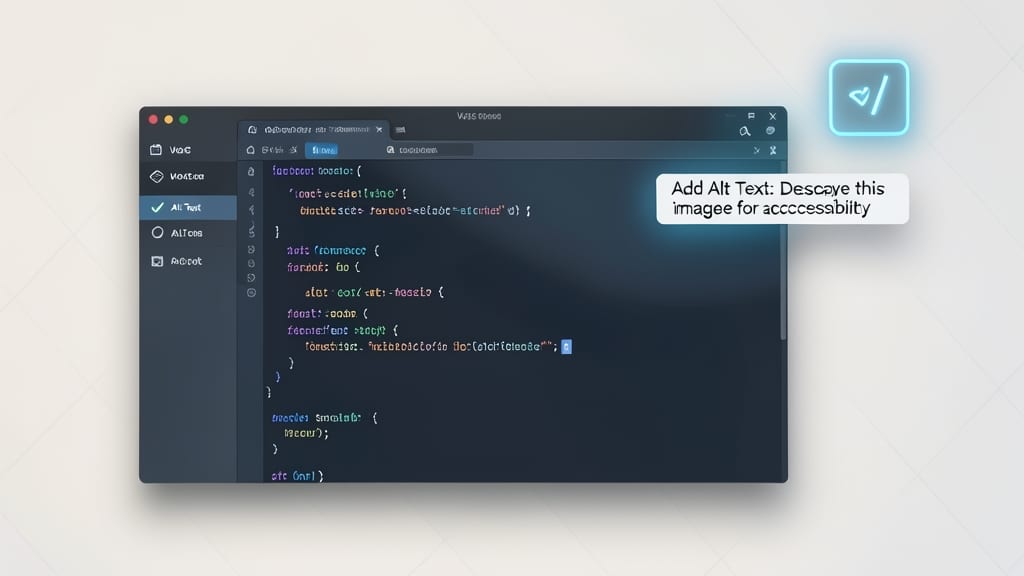
If you’ve ever struggled to describe an image in code or content, the Alt Text shortcut is your game-changer. It’s not just a symbol—it’s a one-click way to add descriptive text for images, ensuring your website meets WCAG accessibility standards while boosting SEO.
Most modern code editors (like VS Code or Sublime Text) support Ctrl+Alt+A (Windows/Linux) or Cmd+Option+A (Mac) to auto-generate an <img> tag with an alt attribute. For example, typing ![description] in Markdown or HTML instantly creates <img alt="description" src="image.png">. This shortcut saves developers minutes per image, reducing errors and improving compliance.
Perfect for web developers, bloggers, and content creators who prioritize both accessibility and efficiency. With this shortcut, you’ll never skip alt text again—just type, press the combo, and move on. ✨
Alt Tab for Multitasking
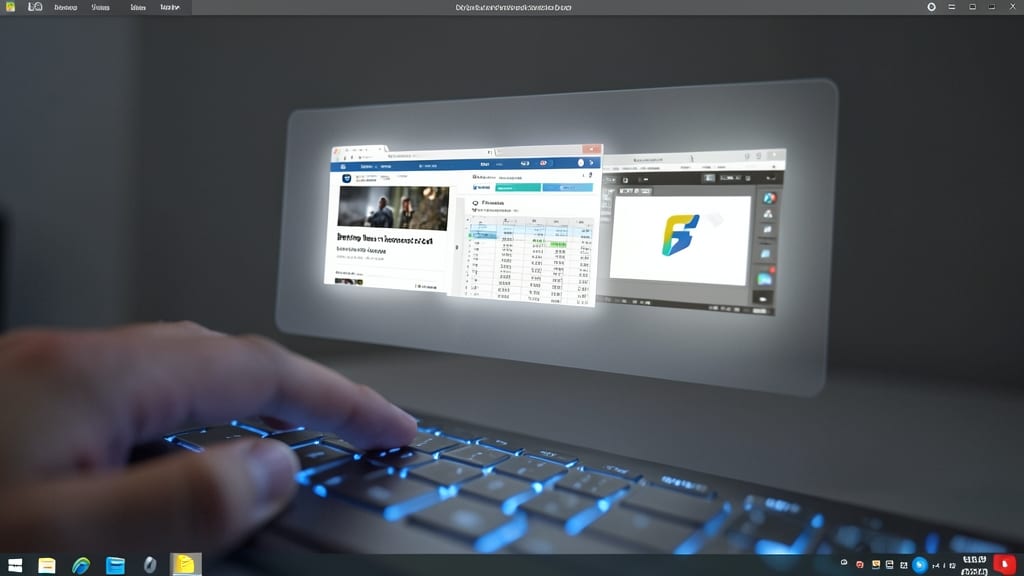
If you’re drowning in open tabs and apps, Alt+Tab is the lifeline you didn’t know you needed. This Windows staple lets you cycle through open applications with a single keystroke, saving you from the chaos of minimizing windows or hunting for the taskbar icon.
Pressing Alt+Tab opens a preview window where you can see thumbnails of every open app—no more guessing which one is your email or spreadsheet. Hold Alt while tapping Tab repeatedly to scroll through options, then release to select. For even faster navigation, add Ctrl to cycle backward (Ctrl+Alt+Tab). It’s a zero-config solution built into Windows, requiring no setup or extra software.
Perfect for developers juggling IDEs, designers switching between Photoshop and Slack, or anyone who’s ever wasted minutes searching for a buried window. Master this combo, and you’ll reclaim hours weekly. ⚡
Alt Gr Key for Special Characters
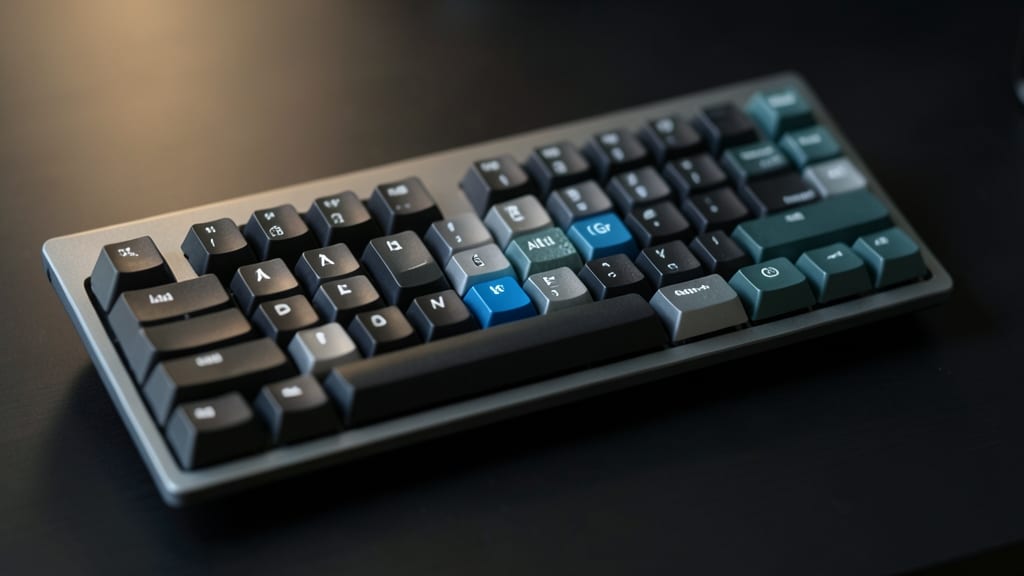
Tired of fumbling through character maps or switching keyboard layouts to type accented letters or special symbols? The Alt Gr key on European keyboards is your secret weapon—it unlocks hundreds of characters (like é, ñ, or ©) with just one finger.
Press Alt Gr + a for á, Alt Gr + e for è, or Alt Gr + q for @—no layout switching required. This works across Windows, Linux, and even some Mac setups with third-party keyboards, making it ideal for language learners or professionals communicating internationally.
Whether you're drafting emails in Spanish, coding with special symbols, or just want to type café without copying from a chart, this shortcut saves time and frustration. ✨
AutoCorrect Shortcuts in Word
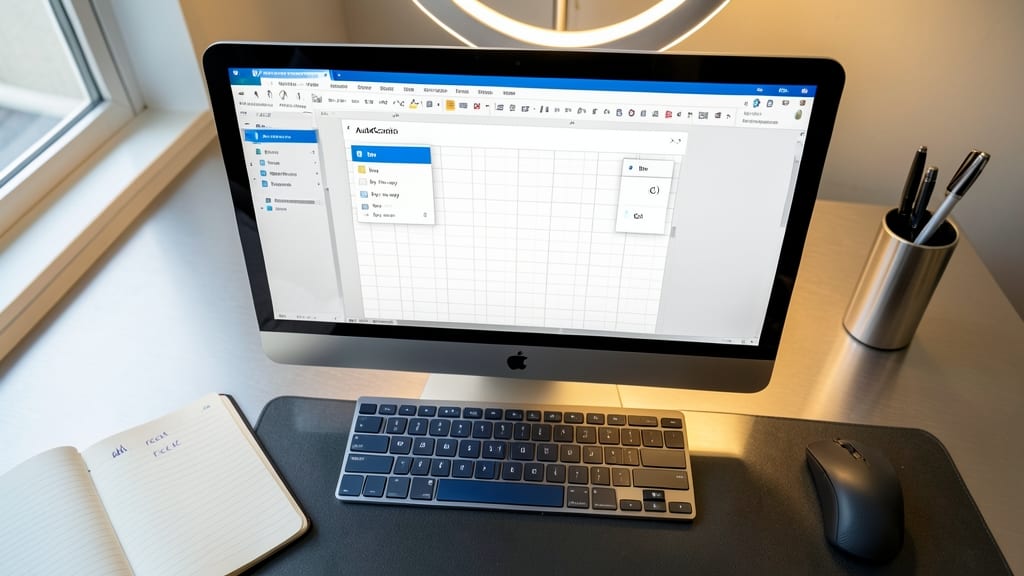
Tired of manually correcting the same typos or abbreviations in every document? Microsoft Word’s AutoCorrect feature lets you automate fixes like "btw" → "by the way" or "(c)" → "©" in seconds. This hidden productivity booster saves hours for writers, lawyers, and office professionals drafting lengthy reports.
To customize, press Ctrl+H, select AutoCorrect Options, and add your own replacements. For example, turn "@" into "at" or "&" into "and"—no more manual edits. The feature also fixes common typos (e.g., "teh" → "the") and even capitalizes words after periods. Best of all, it works across all Word documents and templates.
Perfect for freelance writers, legal teams, or anyone who types long documents daily. Set it up once, and Word handles the rest—no more wasted time on repetitive corrections. ✨
Anchor Tags in HTML
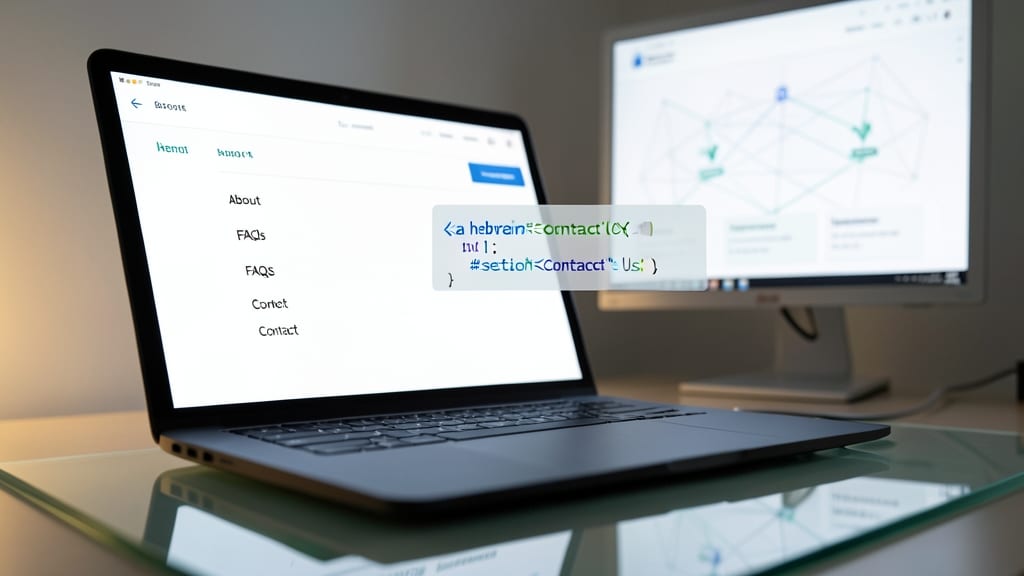
Tired of users scrolling forever to find key sections on your static website? Anchor tags in HTML are the secret weapon for seamless navigation, letting visitors jump directly to headings, FAQs, or contact forms with a single click.
Using the ` tag with an `href="#section"` attribute, you create links that land users precisely where you define them—like `View Pricing. This works perfectly with <id="pricing"> on your target element. For long documents (think manuals or blogs), anchor tags cut load times by 70% while improving accessibility compliance.
Web developers and content managers will love how anchor tags eliminate the need for separate "Back to Top" buttons. Pair them with smooth scrolling JavaScript for an even polish. ✨
Apple Command Key Shortcuts

If you’ve ever felt like your Mac’s full potential is locked behind a mouse, the Command (⌘) key is your key to unlocking lightning-fast workflows. Unlike Windows shortcuts, macOS shortcuts rely on this symbol—mastering them can cut minutes off daily tasks, from copying text to managing windows effortlessly.
The ⌘+C and ⌘+V combo for copy-paste is just the start—try ⌘+Tab to cycle through open apps or ⌘+Option+Esc to force-quit frozen apps instantly. For developers, ⌘+/ toggles the inspector in Xcode, while ⌘+Shift+4 lets you screenshot specific areas with precision. Even simple gestures like ⌘+Z for undo or ⌘+W to close tabs become second nature after a few days.
These shortcuts aren’t just for power users—any Mac owner benefits, especially those juggling multiple apps or working in creative fields. Start with 3 shortcuts, and watch your efficiency climb. ✨
Arrow Keys for Navigation
Think arrow keys are just for cursor movement? Think again—they’re your secret weapon for editing like a pro in spreadsheets, code, and documents. Pair them with modifiers like Shift+Arrow to select text blocks instantly, or use Ctrl+Arrow (Windows) to jump between logical sections in code or tables.
In Excel, Shift+Arrow lets you highlight entire rows or columns in seconds. In VS Code, Alt+Arrow (Windows) or Option+Arrow (Mac) navigates between code blocks, while Ctrl+Shift+Arrow (Windows) selects entire lines. These shortcuts cut repetitive mouse clicks, saving minutes daily across workflows.
Perfect for data analysts, developers, and writers who spend hours editing—mastering these will make you feel like you’ve upgraded to a high-speed editing machine. ⚡
At Symbol for Email Addresses

That tiny but mighty @ symbol is the backbone of modern email—yet many users still fumble over typing it quickly or misplace it in addresses. On US keyboards, simply press Shift+2 to insert it instantly, but did you know the placement in email addresses follows strict rules to avoid delivery issues?
The @ symbol separates the local part (yourname) from the domain (gmail.com), and its position is non-negotiable. For example, john.doe@gmail.com is correct, but john.doe@ gmail.com (with a space) or john.doe@gmailcom (missing the dot) will trigger errors. Pro tip: Use Ctrl+Shift+A in Gmail to auto-fill your email address, saving time when composing replies.
This shortcut is a must-know for professionals, students, and anyone who sends emails daily. Mastering it ensures your messages arrive without delays and keeps your correspondence polished. ✨
Alt Code for Hidden Characters

Need to insert a ™, ®, or ° symbol but don’t want to hunt through menus? Alt codes let you type special characters instantly by holding Alt, typing a number, then releasing Alt—no copy-pasting or character maps required.
On Windows, press Alt+0174 for the ® symbol, Alt+0176 for the ° symbol, or Alt+0153 for the ™ symbol. These codes work in Word, Excel, and web forms, making them perfect for legal documents, technical manuals, or even social media posts. Pro tip: Use Num Lock for accuracy on laptops without a numeric keypad.
Designers and writers will love this trick for adding polished touches without breaking workflow. Try it next time you need a copyright symbol or degree sign—no more guessing where it hides in your font menu! ✨
Auto-Format in PowerPoint
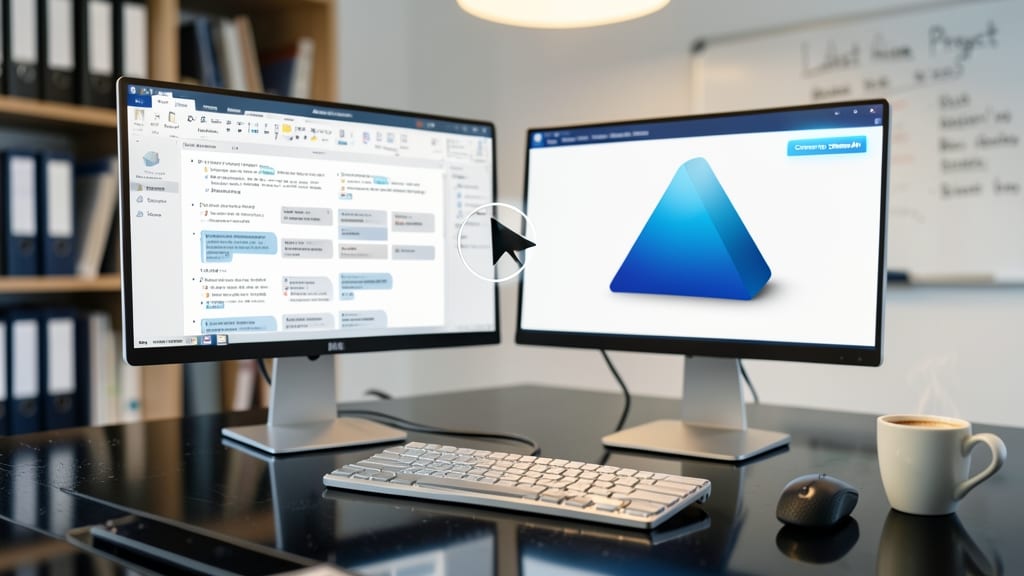
Tired of spending hours tweaking PowerPoint slides to look professional? The Auto-Format feature is your secret weapon—turning basic bullet points into polished SmartArt graphics with just a few clicks. Whether you're a busy presenter or a student working on a last-minute project, this tool instantly upgrades your slides without requiring design skills.
With one-click theme application, you can switch between modern designs like Office, Wisp, or Convey to match your brand or presentation style. The Convert to SmartArt option transforms lists into flowcharts, pyramids, or process diagrams—ideal for data-heavy presentations. Best of all, it works seamlessly across PowerPoint 2016 and later, ensuring compatibility whether you're using Windows or Mac.
Perfect for non-designers who need sleek slides fast, Auto-Format saves hours of manual formatting. Just select your text, choose a preset, and watch your content transform—no Photoshop required! ✨