
Operating System
Data breaches cost businesses millions annually, but proactive internal safeguards can prevent most incidents. These 10 proven strategies empower IT teams to create a multi-layered defense system against evolving cyber threats, ensuring compliance and peace of mind.
Zero Trust Network Access Implementation
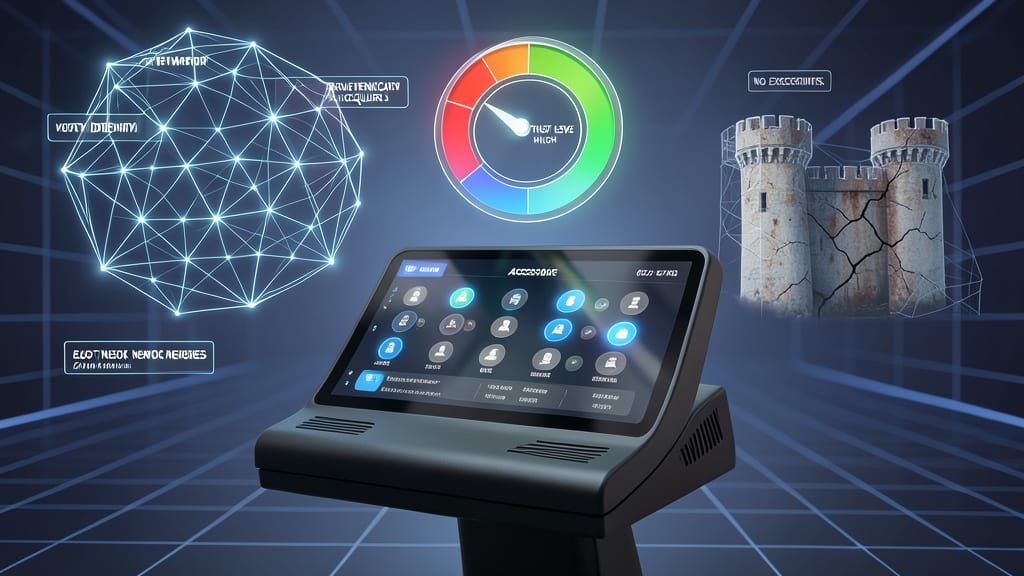
Tired of relying on outdated "castle-and-moat" security where once-inside users automatically get full access? Zero Trust Network Access (ZTNA) flips the script by demanding verification for every request—no exceptions. This model treats every user and device as a potential threat until proven otherwise, drastically cutting lateral movement risks from compromised accounts.
With ZTNA, you implement continuous authentication (not just login credentials) and micro-segmentation to isolate critical resources. Solutions like BeyondCorp by Google or Zscaler Private Access provide zero-configuration access for remote users while enforcing least-privilege principles by default. The result? Even if credentials are stolen, attackers can’t move laterally without triggering alerts.
This approach is ideal for regulated industries (healthcare, finance) or companies with hybrid workforces, where traditional VPNs leave too many gaps. Start with piloting ZTNA for high-risk departments like HR or finance to prove its value before rolling out enterprise-wide. 🌟
Automated Endpoint Detection and Response

While Zero Trust focuses on access control, Automated Endpoint Detection and Response (EDR) shifts the focus to active threat hunting—monitoring every device in real-time for suspicious behavior before it escalates. Unlike traditional antivirus, EDR uses AI-driven behavioral analysis to detect anomalies like lateral movement, data exfiltration, or ransomware encryption patterns across Windows, macOS, and Linux endpoints.
Solutions like CrowdStrike Falcon or Microsoft Defender for Endpoint provide sub-second threat detection, automated containment (e.g., isolating infected devices), and forensic investigation tools. For remote teams, cloud-based EDR eliminates the need for on-premise sensors, while BYOD policies benefit from granular device profiling to enforce compliance without restricting personal use. The key advantage? You’re not just reacting to threats—you’re stopping them before they spread. ✨
Data Loss Prevention Policy Framework

Accidental data leaks through email attachments or cloud uploads don’t just happen—they’re stopped before they start with a Data Loss Prevention (DLP) Policy Framework. Unlike traditional firewalls, DLP systems actively scan content in real-time, blocking sensitive data from leaving your network through any channel.
Modern DLP solutions like Symantec DLP or Microsoft Purview use content-aware policies to enforce rules based on data types (credit cards, SSNs, PII) and industry standards (GDPR, HIPAA). For example, they can automatically encrypt emails containing PHI or quarantine USB drives with unapproved files. Integration with Microsoft 365 or Google Workspace ensures cloud storage compliance without disrupting workflows.
This is non-negotiable for healthcare, finance, or legal firms handling regulated data. Even small businesses benefit from automated compliance checks that reduce audit risks. 💻
Privileged Access Management System
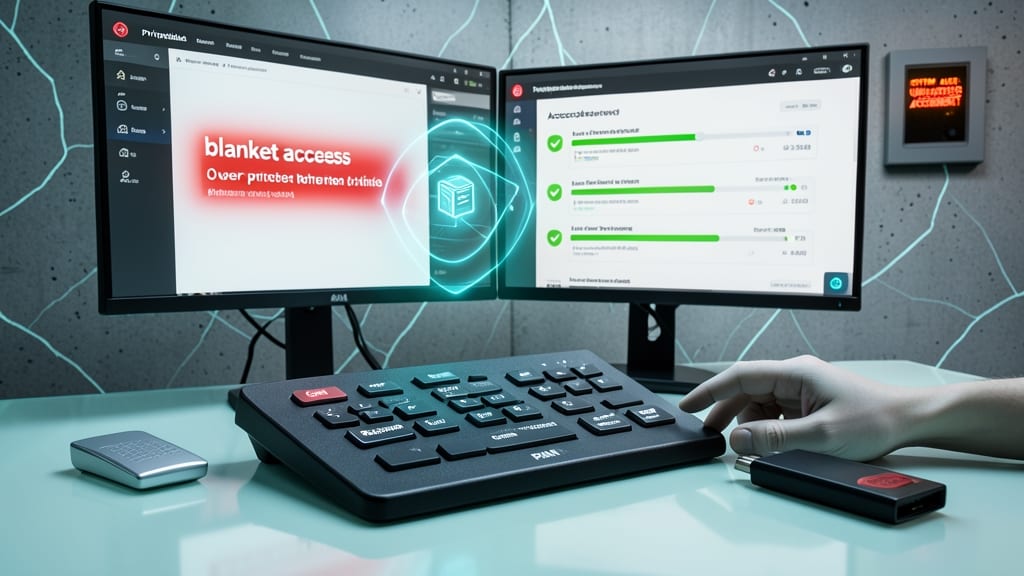
Even well-intentioned admins can accidentally (or maliciously) expose sensitive systems when granted blanket access. A Privileged Access Management (PAM) system flips the script by enforcing least-privilege access—granting only the minimum permissions needed, when they're needed, and revoking them immediately after.
Modern PAM solutions like CyberArk or Thycotic combine just-in-time elevation (temporary admin rights) with real-time session monitoring to track every keystroke and command. You can also enforce multi-factor authentication for all privileged accounts and maintain immutable audit logs that survive even if systems are compromised. These tools integrate with existing SIEM platforms for centralized threat detection.
This is non-negotiable for financial institutions, healthcare providers, or any org handling regulated data. Start with a pilot for your most critical systems—like database servers or cloud admin consoles—and expand from there. 💻
Encrypted Database and Backup Strategy

Worried about ransomware locking your databases or accidental deletions wiping years of work? A military-grade encrypted database strategy with immutable backups is your last line of defense—even if everything else fails.
Solutions like AWS Key Management Service (KMS) or Vault by HashiCorp encrypt data at rest using AES-256, while immutable storage (via tools like AWS S3 Object Lock or Azure Immutable Blob Storage) prevents tampering. Even if an attacker breaches your system, they can’t alter or delete critical backups—ever. For extra security, TLS 1.3 encryption secures data in transit, ensuring compliance with GDPR, HIPAA, or SOC 2.
This approach is ideal for financial institutions, healthcare providers, or any business handling sensitive customer data. It’s not just about recovery—it’s about absolute protection. ✨
Employee Security Awareness Training Program

Your employees might be your first line of defense—or your biggest security risk. A real-time phishing simulation program like KnowBe4 or Proofpoint trains staff to spot scams before they click, with adaptive training modules that evolve alongside new threats like AI-generated phishing emails.
These programs go beyond static slides with customizable campaigns (e.g., CEO fraud, ransomware lures) and automated reporting to track improvement. For example, KnowBe4’s PhishER uses AI to analyze employee responses and tailor follow-up training, reducing human error by up to 75% in organizations that use it consistently.
Perfect for SMBs to enterprises, especially teams handling customer data or financial records. Start with a quarterly simulation and compliance refresher—it’s the only safeguard that grows smarter as threats do. 💡
Network Segmentation and Micro-VLANs

Imagine a breach happening—but instead of spreading like wildfire across your entire network, it gets contained to a single, isolated segment. That’s the power of network segmentation and micro-VLANs, a game-changer for stopping lateral movement before it escalates.
By dividing your network into smaller, isolated zones (like guest Wi-Fi, HR systems, or cloud-connected servers), you create air gaps that prevent attackers from jumping between systems. Tools like Cisco ACI or VMware NSX automate this with zero-trust policies, while micro-VLANs ensure even cloud workloads stay segmented. This is especially critical for hybrid environments where on-prem and cloud assets often share the same perimeter.
Perfect for organizations juggling multi-cloud deployments or legacy systems, segmentation turns your network into a fortress with controlled entry points—no matter where the breach starts. 🌟
Third-Party Risk Assessment Protocol

When your company relies on vendors for critical operations, their security gaps become your blind spots. A Third-Party Risk Assessment Protocol systematically evaluates external partners before granting data access, using automated questionnaires and penetration testing to uncover vulnerabilities before they become liabilities.
Tools like SecurityScorecard or BitSight provide real-time vendor risk scoring based on NIST cybersecurity frameworks and industry benchmarks. You can enforce automated red flags for vendors failing compliance checks, while mock breach simulations reveal how they’d handle incidents. The protocol ensures only vendors with verified security controls gain access to sensitive systems.
This safeguard is non-negotiable for industries handling regulated data (HIPAA, GDPR) or outsourcing IT infrastructure. It’s the digital equivalent of a background check—preventing third-party breaches before they start. ✨
Incident Response Playbook Development

When a breach happens, every second counts. An Incident Response Playbook turns chaos into structured action, ensuring your team responds faster than attackers can escalate damage—before they even know they’ve been hit.
This isn’t just a document; it’s a battle-tested framework with predefined steps for detection, containment, eradication, and recovery. The best playbooks include tabletop exercises (simulated breaches) to test procedures, identify gaps, and train teams under pressure. Tools like Splunk for forensic analysis or IBM Resilient for orchestration integrate seamlessly to automate critical workflows, reducing human error during high-stress incidents.
Perfect for organizations handling sensitive data—like healthcare, finance, or government contractors—where compliance (e.g., NIST SP 800-61) demands rigorous response protocols. Even smaller teams benefit from the clarity it brings during crises. ✨
Continuous Security Validation Testing

Ever feel like your security posture is a house of cards—stable until the first unexpected gust? Continuous Security Validation Testing acts as your proactive storm detector, scanning for configuration drift and vulnerabilities before they become breaches.
This approach combines automated compliance scanning (like daily health checks for your systems) with red team exercises (simulated attacks to test defenses). Tools like Nessus or OpenSCAP can automatically detect misconfigurations, while third-party red teams uncover blind spots your internal team might miss. The result? A real-time snapshot of your security gaps, updated continuously rather than waiting for annual audits.
Ideal for organizations in regulated industries (finance, healthcare), this safeguard ensures compliance isn’t just a checkbox—it’s a living, breathing shield. For IT teams drowning in post-breach fire drills, it’s the difference between reacting to threats and preventing them. ✨