
Troubleshooting
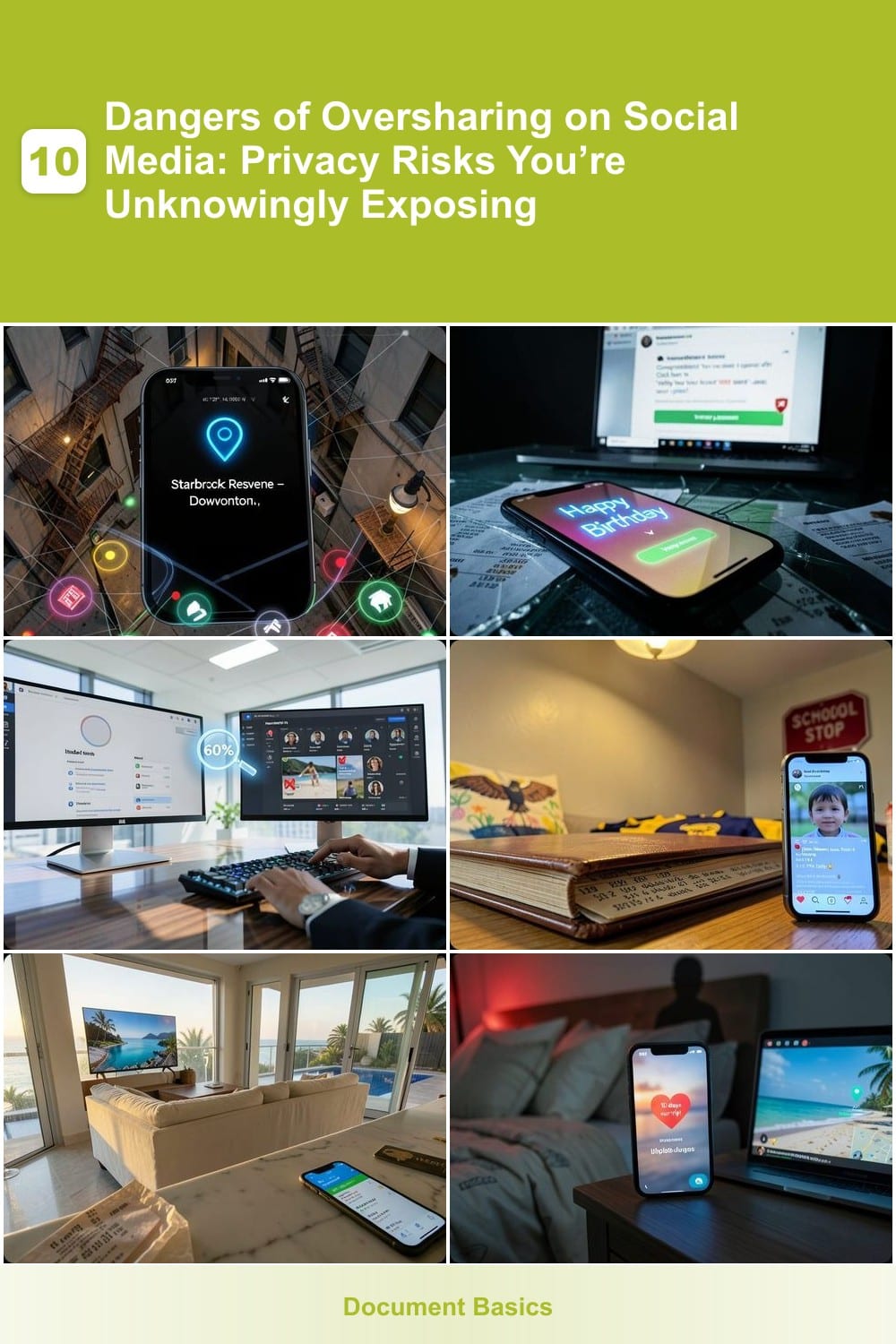
Your social media posts might seem harmless, but oversharing can expose you to serious privacy risks and cyber threats. These ten dangers reveal how seemingly innocent updates can compromise your security and personal safety online.
Identity Theft Through Location Tags
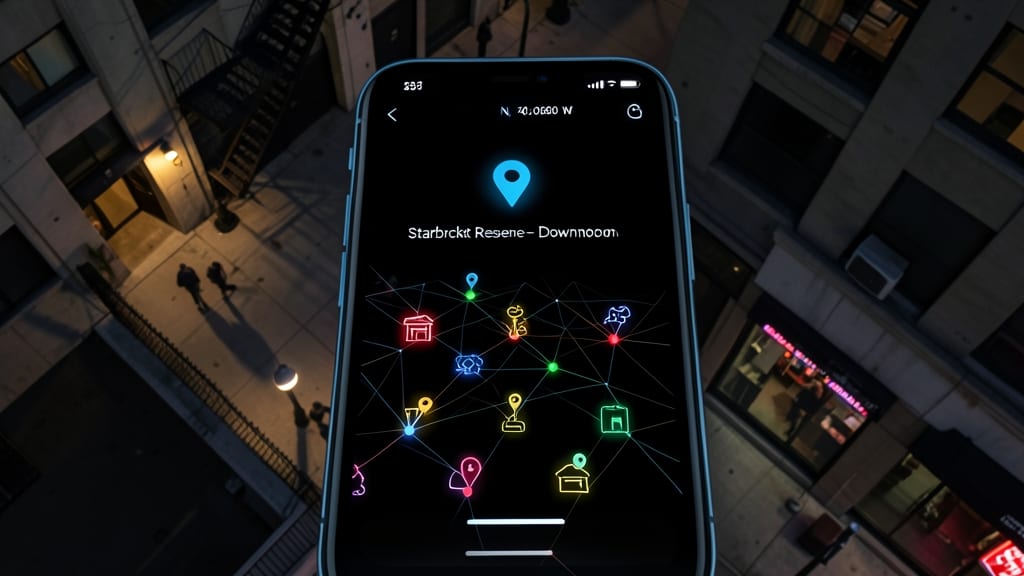
That "checking in" at your favorite coffee shop might seem harmless, but real-time location tags turn your social media into a criminal’s roadmap. Criminals use tools like Geofeather or Social Mapper to scrape public posts, mapping your daily routines with alarming precision—pinpointing your home, gym, and even vacation schedules.
Apps like Instagram and Facebook default to sharing GPS coordinates in photos and Stories, while fitness trackers sync exact workout routes to public profiles. A single post revealing your empty home during a trip could trigger a break-in within hours. Even "private" posts can be exposed through data leaks or hacked accounts.
This risk isn’t just theoretical: the FBI reports a 72% increase in home burglaries timed with vacation posts. Parents sharing school drop-off locations or gym-goers tagging their routes create digital breadcrumbs for predators. ⚡
Phishing Scams Using Personal Details
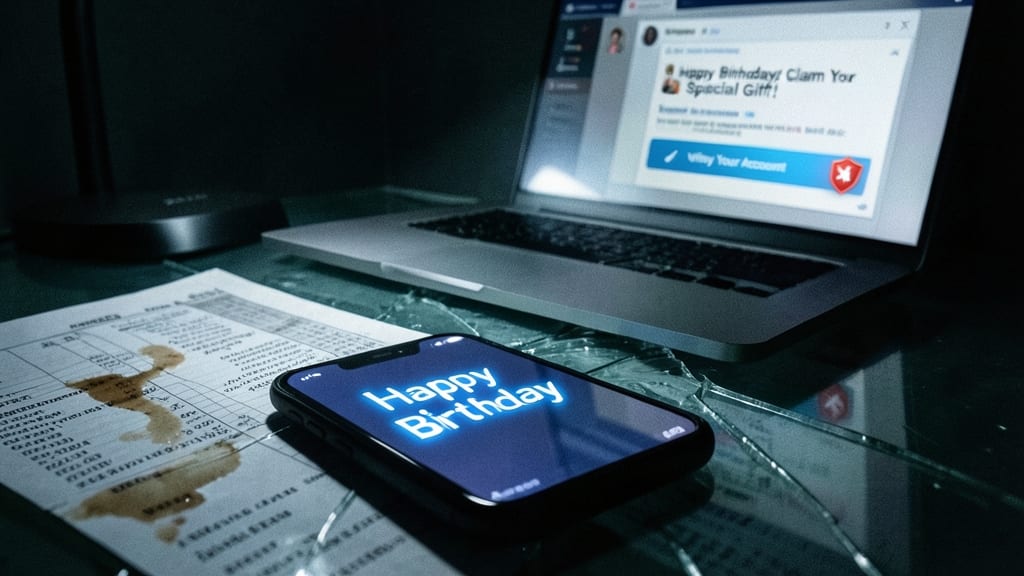
That "innocent" birthday post might seem harmless, but cybercriminals are using it as a phishing goldmine. By combining your social media details with public records, they craft emails that trick you into revealing passwords or downloading malware—all while bypassing security questions with answers you’ve already shared.
These scams often mimic trusted brands like PayPal, Amazon, or your bank, using your pet’s name, childhood school, or even your job title to appear legitimate. For example, an email claiming to be from your HR department might ask you to "verify your account" with a link that steals your credentials. A single click can grant access to your email, bank accounts, or even corporate systems if you’re an employee. ⚡
Small business owners and professionals are especially vulnerable, as scammers exploit LinkedIn updates to impersonate colleagues or clients. Always verify sender addresses and avoid clicking links in unsolicited messages—even if they seem personalized. 💻
Workplace Discrimination From Career Posts
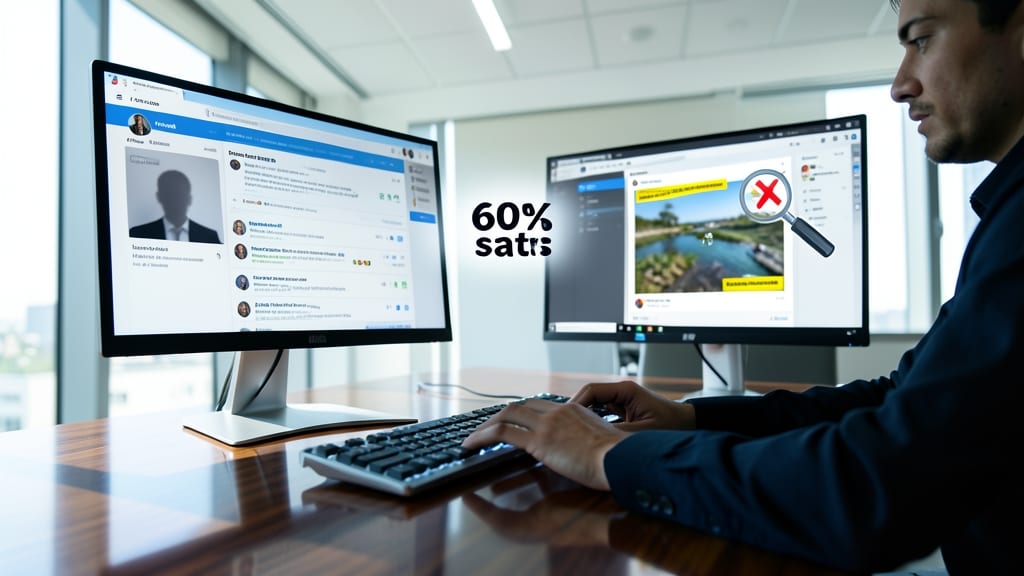
Your LinkedIn profile isn’t just a resume—it’s a real-time interview that hiring managers and algorithms scrutinize before you even walk in the door. One study found that 60% of recruiters use social media to screen candidates, and oversharing can instantly disqualify you—even for roles you’re perfectly qualified for.
Posting about chronic illnesses (e.g., "dealing with migraines today") or political activism (e.g., "voting no on Proposition X") can trigger unconscious bias in hiring decisions. Even seemingly harmless details like salary expectations ("I’m open to $120K+") or religious practices ("fasting for Ramadan this week") may influence perceptions. Platforms like LinkedIn and Indeed now use AI-driven screening tools that flag keywords tied to bias—meaning your dream job could vanish before you apply.
Job seekers in competitive fields (tech, finance, healthcare) should treat their profiles like a live security audit. Use privacy filters to restrict posts, avoid industry-specific jargon that might reveal gaps, and never assume "private" settings are foolproof. A polished profile isn’t just professional—it’s your first line of defense. 💻
Child Safety Risks From School Information
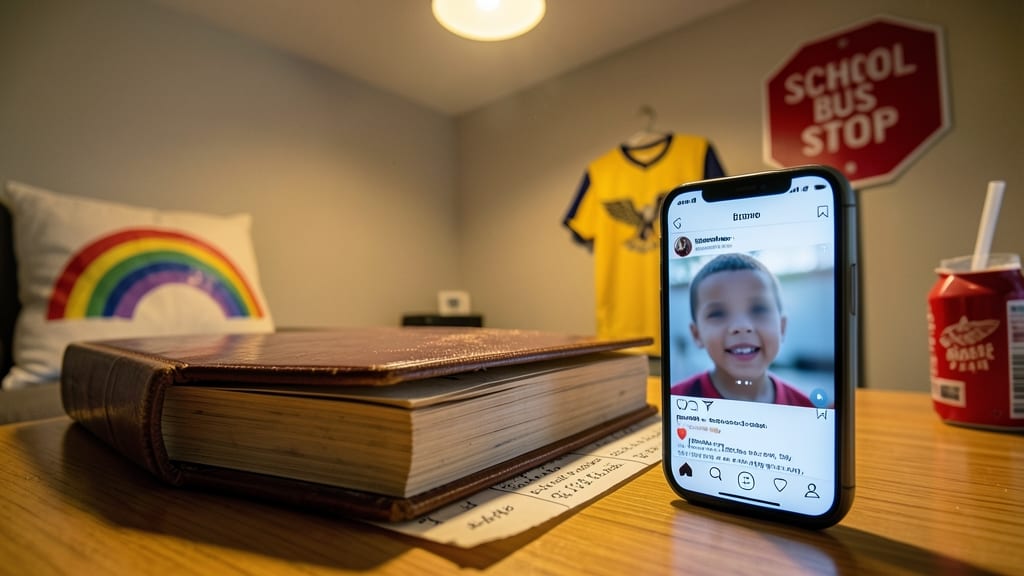
That school photo album might seem harmless, but posting your child’s school name, bus stop location, or sports team creates a digital map for predators. Criminals use this information to track routines, identify safe moments to approach minors, or even stalk families online.
Even seemingly innocent details like "Smith Elementary’s soccer team" or "Bus Route #42" can be cross-referenced with public records. Predators exploit geotagged photos or live location services to pinpoint exact pickup/drop-off times. Worse, oversharing extracurriculars reveals unsupervised hours—like after-school clubs or weekend tournaments—when kids are most vulnerable.
Parents of school-age children should disable location tags in photos, avoid posting real-time school events, and use private account settings to restrict access. A quick privacy audit could mean the difference between safety and risk. 💻
Financial Fraud From Vacation Photos

That "perfect" beach vacation photo might be a goldmine for criminals—especially if it reveals your empty home. A single post of your vacation itinerary or luxury hotel stays can trigger package theft or even home invasion, while credit card details shared in comments become prime targets for fraudsters.
Scammers monitor social media for empty home indicators like "Gone Fishing" signs or "House Sitting" updates, using them to time burglaries. Meanwhile, high-end vacation posts (think private jets or five-star resorts) make you a prime mark for credit card skimming or fake "travel insurance" scams. Even seemingly harmless check-ins at airports or hotels can expose your real-time location to opportunists.
Freelancers, remote workers, and small business owners are especially vulnerable—your post-vacation backlog of orders or deliveries makes your home an easy target. Always post vacation photos after returning home, and use platform privacy tools to limit audience exposure. 💡
Relationship Stalking Through Couple Posts
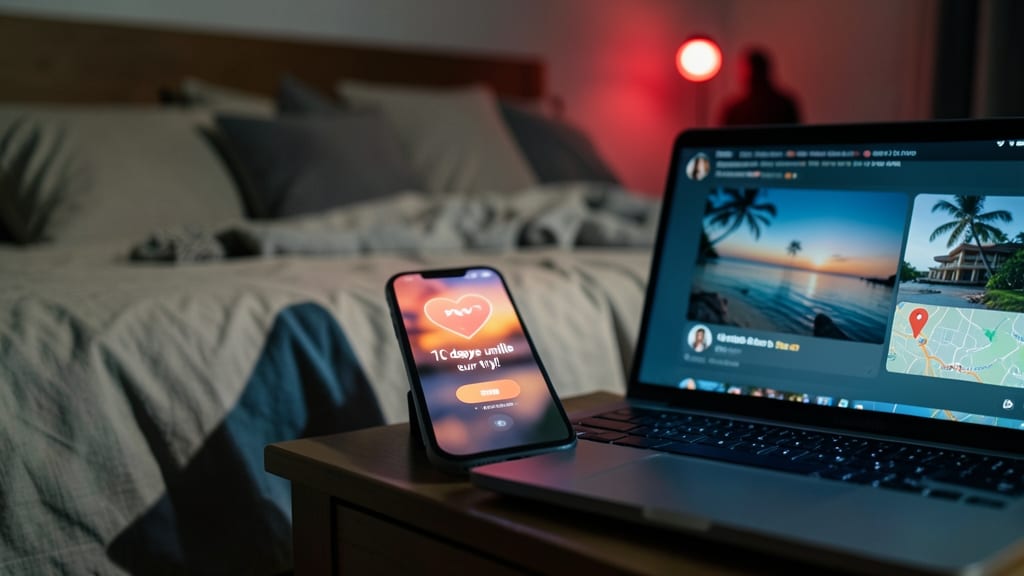
Ever shared a "couple’s countdown" or tagged your partner in every vacation post? Those updates might seem sweet, but they’re also a goldmine for stalkers—especially abusive ones. Platforms like Instagram and Facebook let you track not just what couples post, but when and where, creating a digital timeline of routines, locations, and even emotional states.
Abusers often exploit real-time location tags in couple posts to predict movements, or comment patterns to gauge moods before confrontations. Even "private" stories can be screenshotted and shared. Tools like Google Timeline or third-party stalkerware can stitch together these breadcrumbs into a predictable daily schedule, putting you at risk without you ever realizing it.
This isn’t just theory—domestic violence hotlines report cases where abusers used shared "check-in" stories to ambush partners at home or work. If you’re in a relationship with red flags, consider disabling location history, using private accounts, or avoiding tagged couple content entirely. Your safety isn’t worth the likes. ✨
Insurance Fraud From Health Updates
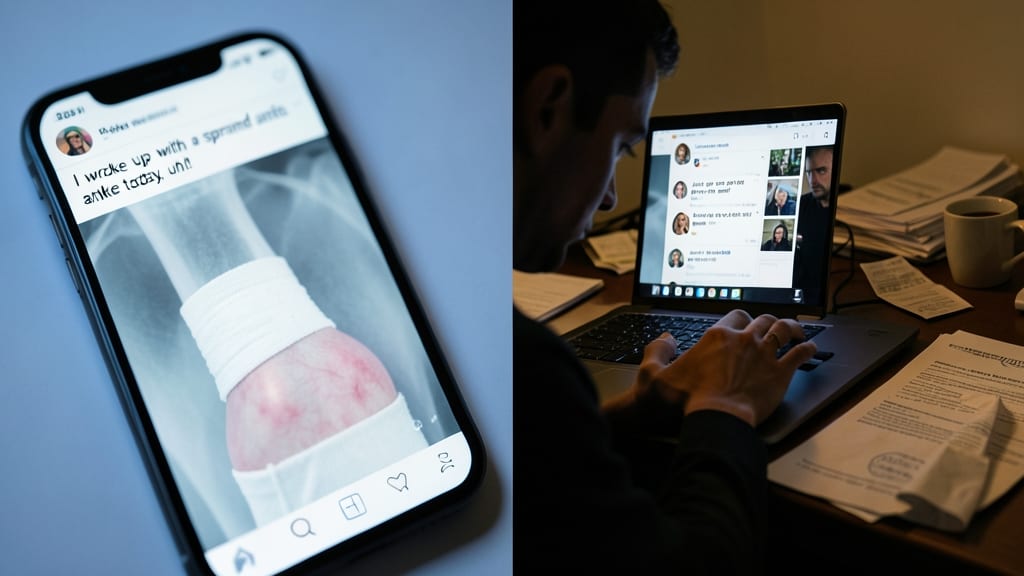
That "I woke up with a sprained ankle" post might seem harmless, but scammers are scanning social media for verifiable medical claims to file fraudulent insurance applications in your name. A single update about a broken arm or chronic condition gives criminals enough proof to submit fake disability claims or medical leave requests.
Fraudsters exploit public health updates to create documented "evidence" of injuries or conditions, then use it to apply for insurance benefits under your identity. Even vague mentions like "recovering from surgery" can trigger automated scams—no medical records needed. The Insurance Information Institute reports a 40% rise in identity theft cases tied to overshared health details since 2020.
If you’ve ever posted about a doctor’s visit or injury, assume scammers have already flagged it. Healthcare professionals and elderly users are prime targets, but anyone sharing medical updates should review privacy settings immediately. 💻
Blackmail Material From Private Moments
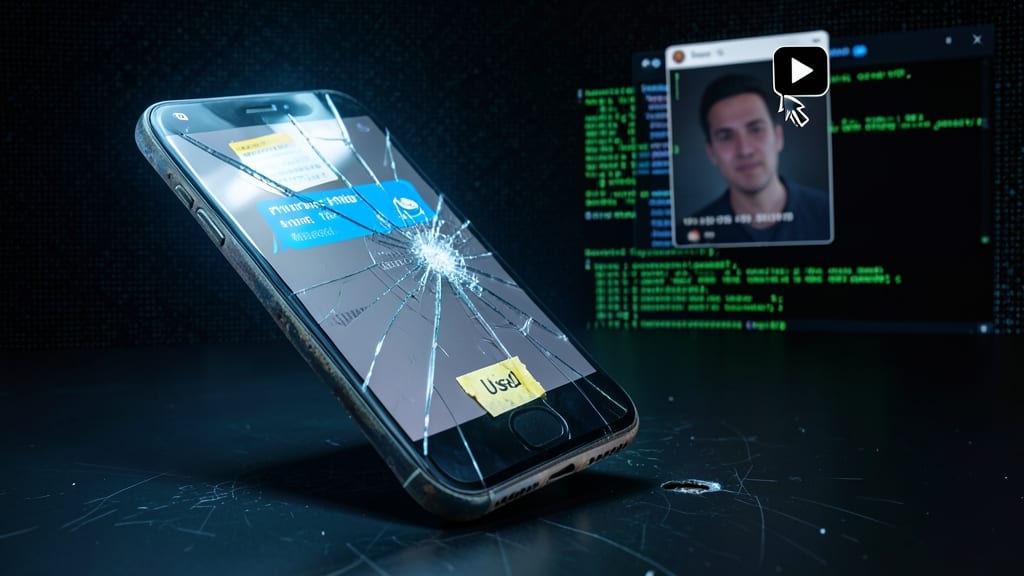
That "private" DM or story you deleted might still be lurking in the digital void. A single screenshot, screen recording, or even cached data from platforms like Snapchat, Instagram, or WhatsApp can resurface years later—especially if your device was ever compromised or sold secondhand.
Hackers and malicious ex-partners often exploit recovery tools (like DiskDigger or iCloud backups) to retrieve deleted media, while competitors in high-stakes fields (tech, finance, or entertainment) may dig through your digital footprint for leverage. Even encrypted apps like Signal aren’t foolproof if your device is physically accessed, and cloud backups can preserve "deleted" content indefinitely.
This risk hits hardest for public figures, freelancers, or anyone with sensitive relationships—but even casual users should assume nothing is truly gone. Always use end-to-end encryption, enable automatic media deletion, and avoid storing compromising content on shared devices. 💻
Tech Support Scams Using Device Posts
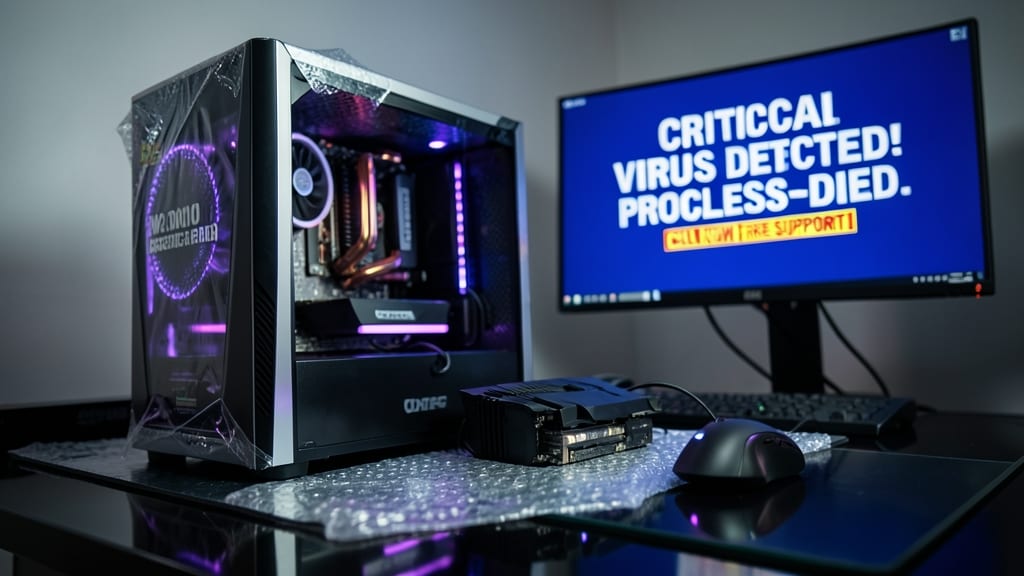
That unboxing photo of your $2,000 gaming PC or the screenshot of your blue screen of death might seem harmless—but scammers are watching. They’ll call claiming to offer "free" remote support, then install malware under the guise of fixing your device.
These scams often start with fake pop-ups mimicking Windows errors or "official" tech support calls. Once you grant remote access, they can steal passwords, install ransomware, or turn your device into a botnet. Even a simple post about your new iPhone model can trigger calls from fraudsters offering "exclusive" repair deals.
Tech-savvy users and small business owners are prime targets—scammers exploit the fear of losing expensive equipment. Always verify support calls through official channels (like Microsoft’s real support site) and never share remote access unless absolutely necessary. 💻
Algorithmic Discrimination From Biased Data
Ever hit "post" on a political rant or personal opinion, only to later wonder why certain opportunities seem to vanish? Your social media activity isn’t just visible to friends—it’s being analyzed by algorithmic decision-makers shaping your digital future.
Platforms like LinkedIn, dating apps, and even financial services use machine learning models trained on public data to predict (and sometimes penalize) users. A single post about religious views could trigger loan application rejections, while salary discussions may suppress job offers. Dating apps like Tinder reportedly use behavioral profiling to match—or unmatch—users based on political alignment, creating invisible barriers. Even neutral topics like parenting styles or health conditions can skew algorithms against you.
Job seekers, entrepreneurs, and professionals should audit their profiles for sensitive content and use platform-specific privacy tools (e.g., LinkedIn’s "Open to Work" filters or Instagram’s audience restrictions). For dating apps, consider creating separate profiles with limited personal data. Your online persona isn’t just a reflection—it’s a feedback loop shaping real-world opportunities. ✨